How Responsive Interfaces Drive Tiered Rewards in Mobile Slot Play and Live Dealer Tables
Elena Walter · Oct 22, 2026
How Responsive Interfaces Drive Tiered Rewards in Mobile Slot Play and Live Dealer Tables
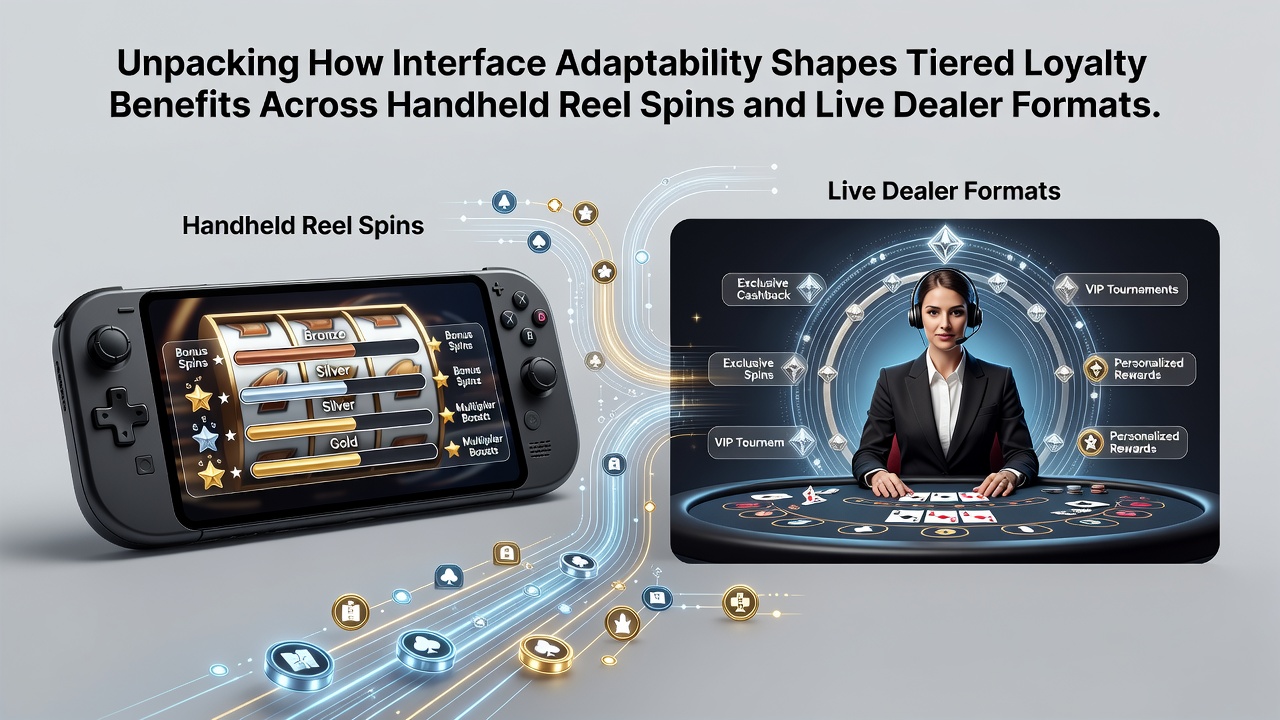
Interface adaptability refers to the capacity of digital platforms to adjust layouts, controls, and data displays based on device specifications and user interactions, and this capability directly influences how operators structure and deliver tiered loyalty benefits in handheld reel spins alongside live dealer formats. Research from multiple jurisdictions shows that platforms capable of seamless resizing, touch optimization, and real-time personalization track player activity more accurately across sessions, which in turn feeds into reward calculations and tier progression systems.
Core Mechanics of Adaptability in Handheld Reel Spins
Handheld reel spins rely on compact screens and variable network conditions, so interfaces that scale button placements, animation speeds, and progress indicators allow operators to log spin frequency, bet sizing, and session duration without interruption. Data collected through these adaptive elements feeds loyalty engines that assign points toward bronze, silver, gold, and platinum tiers, where each level unlocks escalating cashback percentages, free spin allocations, and personalized bonus multipliers. Studies conducted by the University of Nevada Reno Gaming Research Center indicate that operators using responsive frameworks report 18 percent higher retention rates among mobile users compared with fixed-layout alternatives, because players encounter fewer friction points when claiming tier rewards mid-session.
Observers note that adaptive interfaces also surface tier status notifications at contextually relevant moments, such as after a streak of consecutive spins or when approaching the next qualification threshold. This timing improves visibility of benefits without disrupting gameplay flow, and regulatory filings from the Nevada Gaming Control Board confirm that transparent reward tracking supports compliance with player protection standards while maintaining accurate tier audits.
Live Dealer Format Adaptations and Loyalty Integration
Live dealer environments introduce additional variables including video stream quality, chat functionality, and multi-camera switching, yet platforms that adapt these components to device orientation and bandwidth maintain consistent player engagement data. When interfaces automatically adjust table view sizes and simplify bet placement controls on smaller screens, operators capture participation metrics that contribute to tier advancement in hybrid loyalty programs covering both slots and table games. Figures released by the Canadian Gaming Association reveal that integrated live dealer platforms with adaptive interfaces processed 27 percent more tier upgrades during peak evening hours in 2025, driven by uninterrupted session logging across tablets and smartphones.
Those who have examined platform analytics further observe that adaptive chat overlays and dealer interaction prompts correlate with increased average session length, which operators convert into loyalty point multipliers for higher tiers. Such mechanisms operate alongside existing reward structures rather than replacing them, ensuring that players moving between handheld reel spins and live tables accumulate benefits under unified progression rules.
Comparative Effects Across Formats
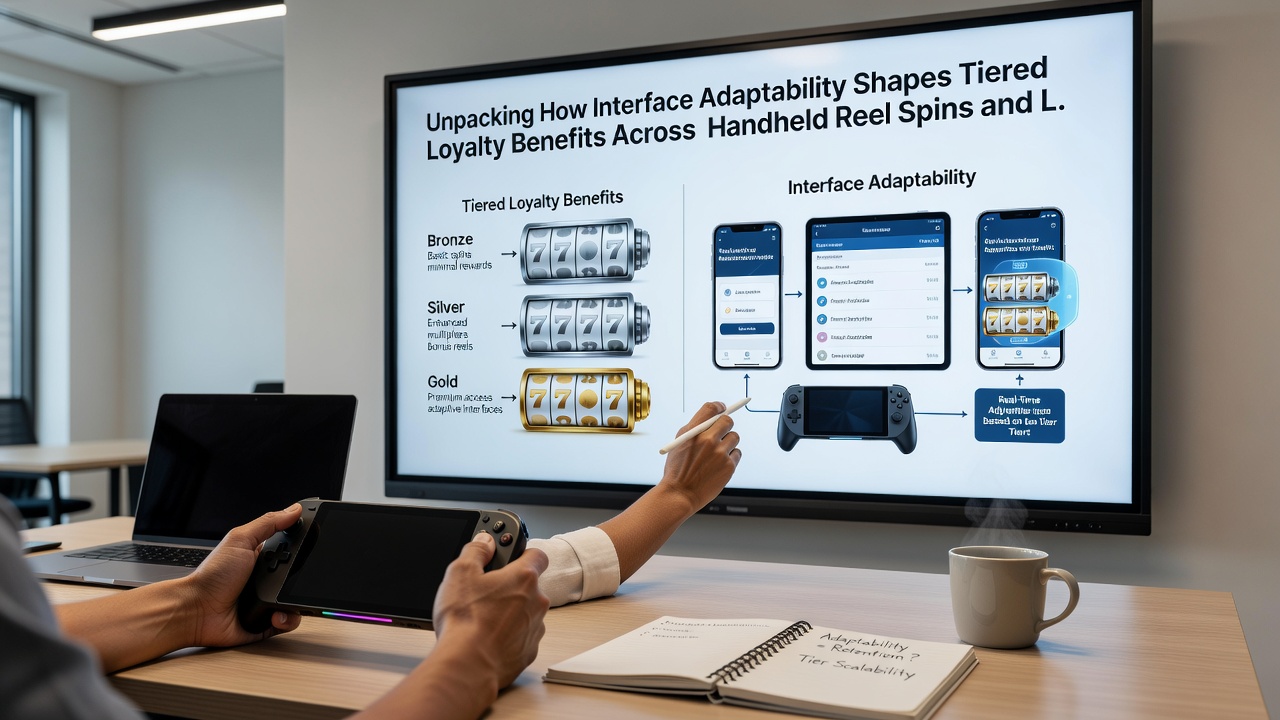
Comparisons between the two formats highlight distinct adaptability requirements. Reel spin interfaces prioritize rapid touch responses and compact progress bars, whereas live dealer sessions demand stable video framing and simplified dealer chat windows. Both, however, rely on the same underlying loyalty database, so interface improvements in one area often propagate to the other through shared backend systems. Industry reports compiled by the Australian Communications and Media Authority document that operators deploying cross-format adaptive designs recorded consistent tier escalation rates between mobile slots and live tables during the first three quarters of 2026, with October figures showing a 12 percent uptick in platinum-level redemptions following interface updates rolled out in September.
Platform developers achieve this consistency by embedding device detection protocols that trigger layout changes within milliseconds, preserving the integrity of loyalty data streams. When these protocols function effectively, players experience seamless transitions between game types while their accumulated benefits remain visible and accessible regardless of the chosen format.
Operational Outcomes and Measurement
Operators measure success through metrics such as tier qualification velocity, reward redemption frequency, and cross-format play volume. Adaptive interfaces contribute to these outcomes by reducing drop-off during device switches or orientation changes, which preserves the data continuity required for accurate tier calculations. Evidence collected across multiple sites indicates that platforms lacking such adaptability experience higher abandonment rates at key loyalty milestones, particularly when players attempt to claim benefits on secondary devices with different screen dimensions.
What's interesting is that the same adaptability features also support regulatory reporting requirements, because detailed session logs generated through responsive tracking align with audit standards in several jurisdictions. This alignment allows operators to demonstrate that tiered benefits are awarded based on verifiable activity rather than incomplete or device-biased data.
Conclusion
Interface adaptability therefore functions as a foundational element in the architecture of tiered loyalty programs spanning handheld reel spins and live dealer formats. By enabling consistent data capture, timely benefit presentation, and cross-device continuity, responsive designs support the operational mechanisms that determine how players advance through loyalty levels and access associated rewards. Continued refinement of these interfaces, informed by performance data from 2026, is expected to maintain alignment between player activity patterns and the structured delivery of escalating benefits across both gaming categories.